
Fire & Life Safety IoT Solutions

Impact of IoT in Fire & Life Safety
IoT doesn't just improve safety—it fundamentally changes it. By connecting sensors and using data analytics, we achieve levels of protection and efficiency impossible with traditional systems.
1. Prevention Over Reaction
|
Traditional Way |
IoT Impact (The New Standard) |
|
Reactive: Waits for fire, smoke, or heat. |
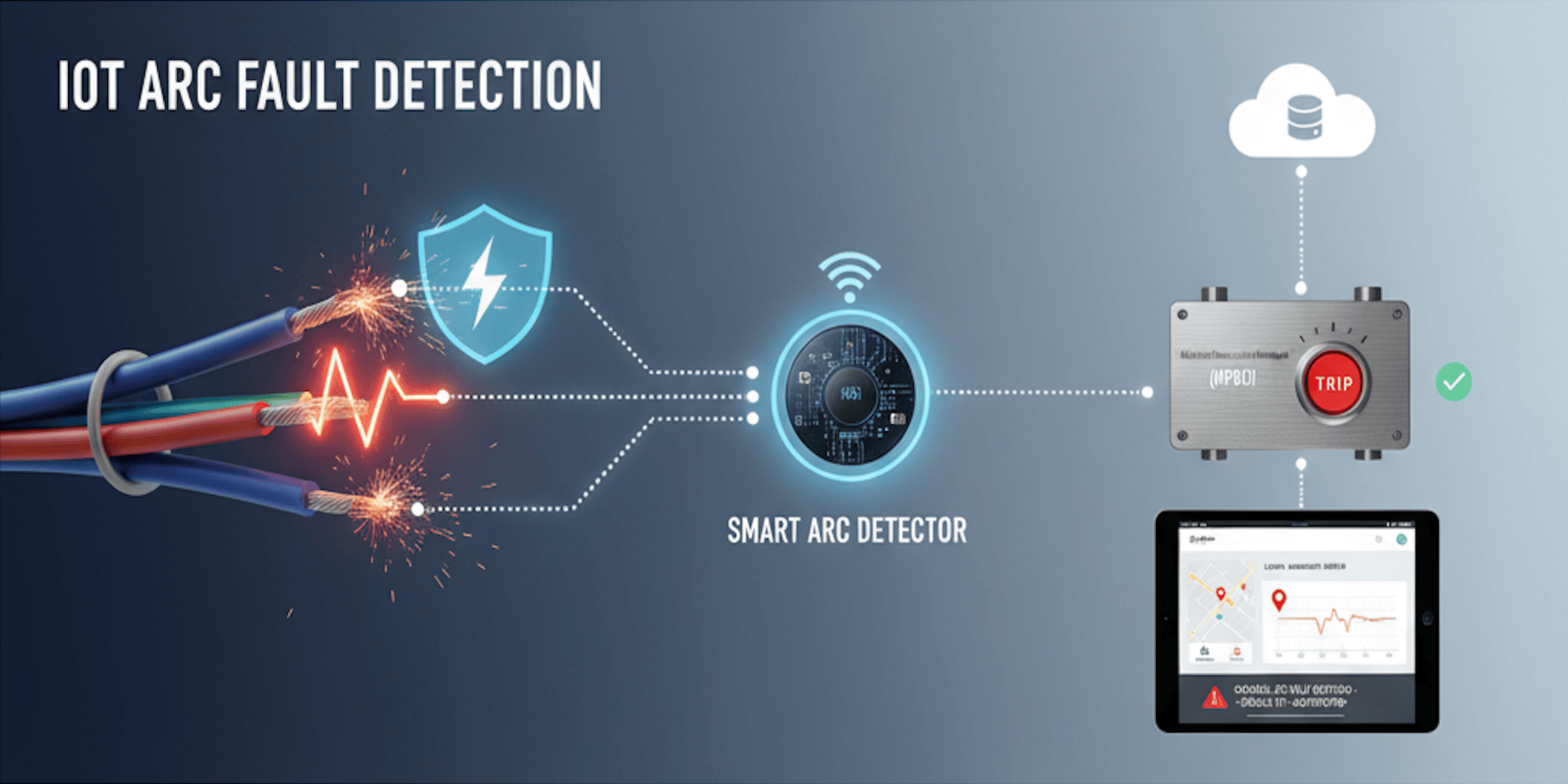
Proactive: Detects pre-fire threats (e.g., electrical spikes, unusual heat) before ignition. |
|
Focus: Alarm after incident starts. |
Focus: Intervention before incident occurs. |
2. Faster, Smarter Response
-
Pinpoint Accuracy: Instantly know the exact location, type, and severity of the threat. No more searching—response teams go straight to the source.
-
Zero False Alarms: Advanced sensors and AI filter out dust and steam, reducing disruptive false alarms and ensuring immediate trust in legitimate alerts.
-
Automated Action: Triggers automated steps like isolating power, shutting down ventilation, or activating localized suppression faster than human response.
3. Reduced Costs and Downtime
-
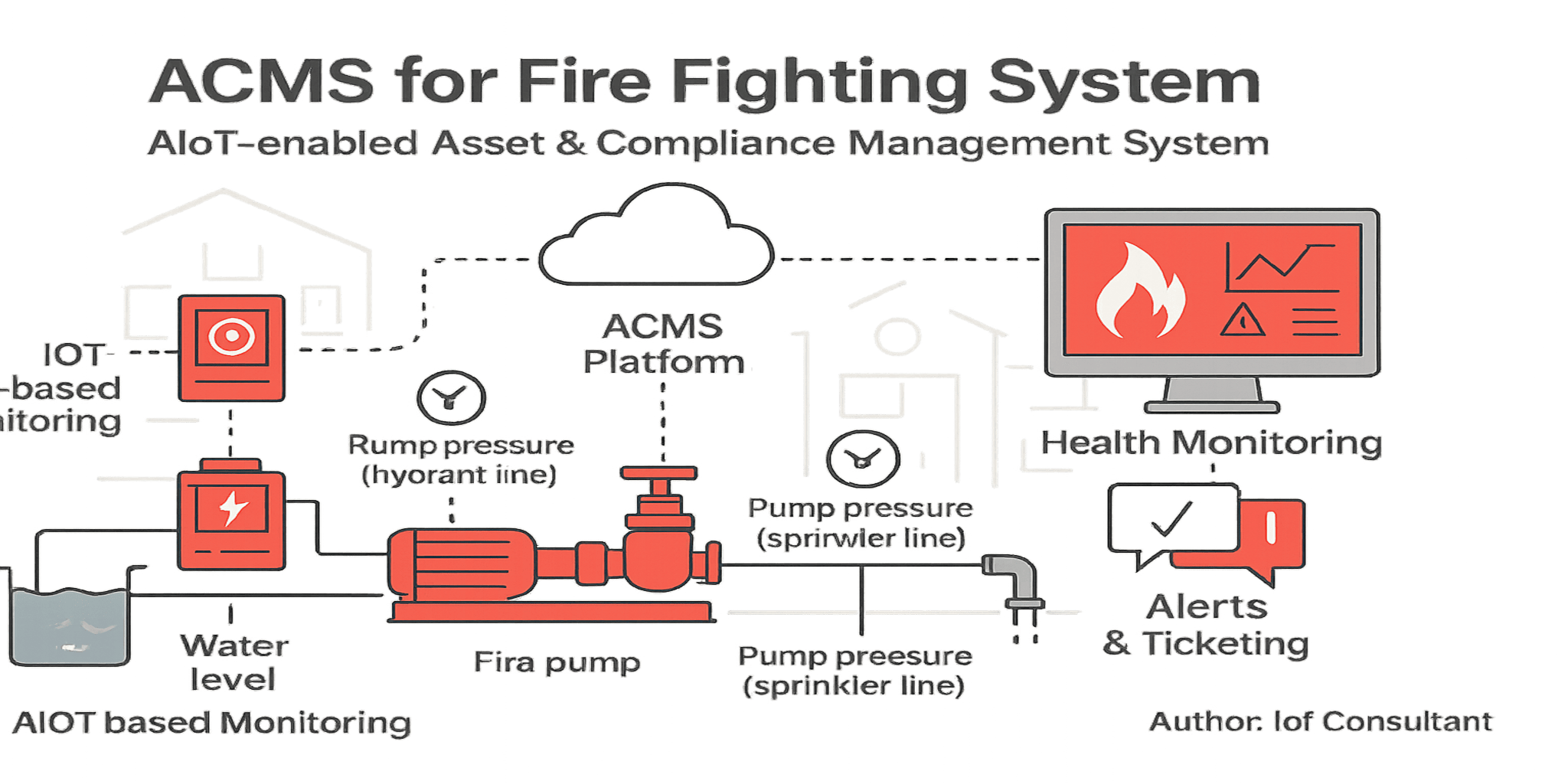
Predictive Maintenance: IoT constantly monitors the health of every sensor and battery. This means zero system failures due to neglected maintenance.
-
Lower TCO (Total Cost of Ownership): Less need for manual, physical inspections and lower risk of asset loss translate directly into major cost savings.
-
Business Continuity: By preventing or rapidly containing fires, IoT minimizes facility downtime and protects inventory, data, and critical operations.
4. Enhanced Life Protection
-
Dynamic Evacuation: Systems guide occupants using the safest, clearest path in real-time, adapting to the fire's spread.
-
First Responder Insight: Firefighters receive live maps of the incident, fire location, and status of occupants for safer, more effective rescue and containment.